Advice For Brands With Demanding Production Requirements
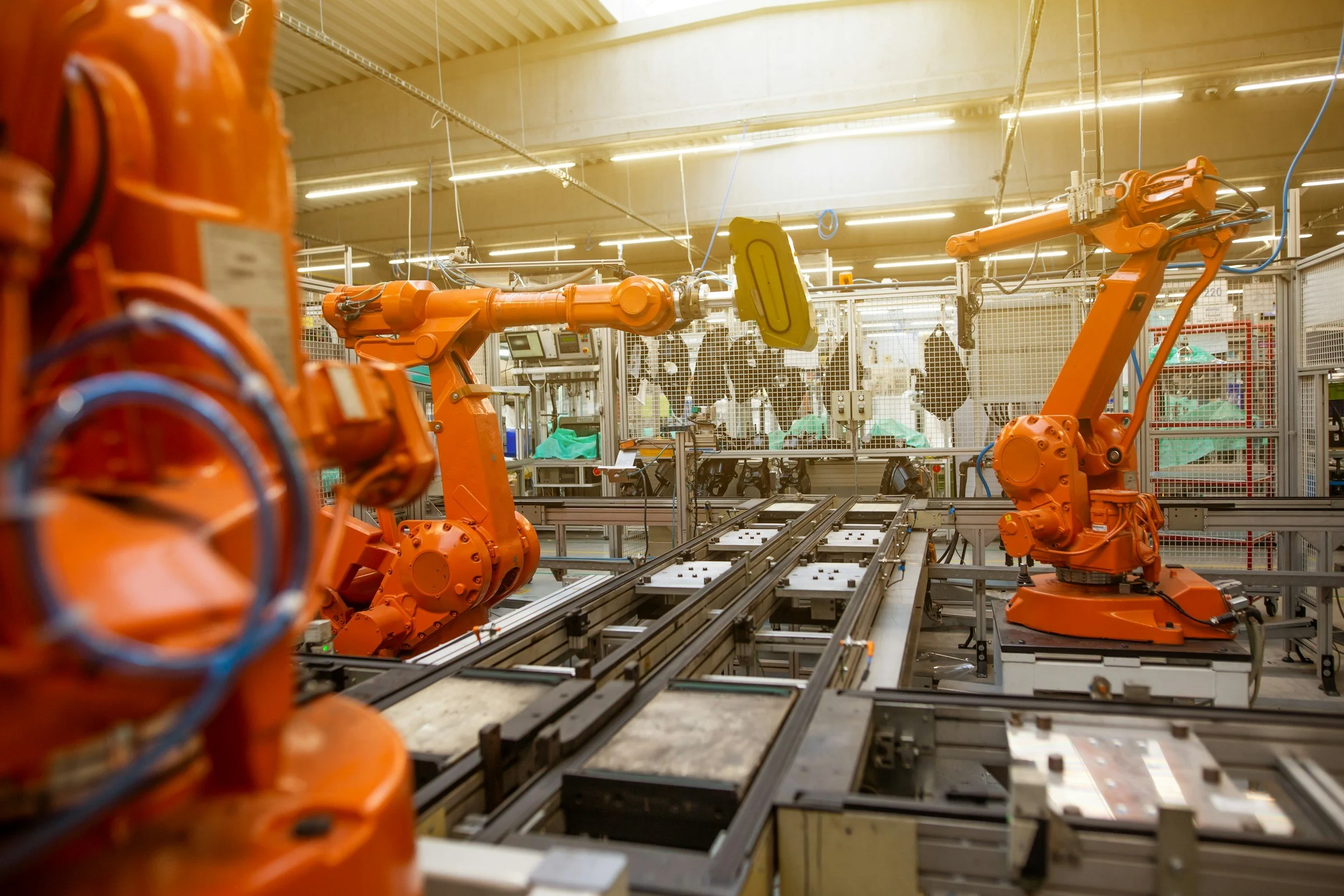
If your brand has demanding production requirements, it can be challenging to know what to focus on first. Getting production right is difficult, especially if you're working with tight deadlines, strict quality control standards, or complex supply chains.
Fortunately this guide is here to help. We take a look at some of the things that you can do if you have demanding production requirements to reduce stress on your equipment and staff.
Begin with proper planning and forecasting
You'll want to start with proper planning and forecasting from day one. If you have demanding production requirements, then you'll need to use a material requirements planning system. These pieces of software reduce the risk of shortages and also enable you to work with just-in-time delivery methods.
Furthermore, you can use advanced software to improve things like make-to-order customizations and deal with sudden market shifts. Artificial intelligence imbues software with the ability to predict what might happen next given a particular situation.
Build strong supplier and partner relationships
Next, you'll want to look at building strong supplier and partner relationships. The stronger that you can make these, the better, because you'll be able to find companies that can handle your specific complexities. For example, you might want to work with Apollo valve distributors if you need to regulate the flow of liquids. You might also need to team up with a carrier who understands food-grade compliance or a supplier who knows exactly the type of precision textiles for your clothing or apparel business.
Don't just go with one supplier, instead diversify your base as much as you can. The more people you can work with, the less risk you face.
Standardize your processes
If you have a demanding production schedule, it's also critical to standardize your processes. You want to ensure that you're not introducing unnecessary variability, especially when you scale. Industry-leading companies do this with ERP and production management software. These tools provide real-time insights into expenses and compliance issues. You'll also want to look at leveraging new digital tools like virtual sampling and 3D prototyping. These are exciting because they massively reduce the cost of specific business activities while increasing the quality and compliance. It's also very good if you're making custom goods.
Scale thoughtfully
Don't scale just for the sake of it. While it's tempting to try to make your business as big as you possibly can, customers often want quality more than they want quantity. Therefore, ensure that your workflow doesn't suffer as you try to churn out more units. Make sure you streamline all of your production processes and eliminate bottlenecks. Look for ways to perform automated checks and quality control. For ongoing audits, then partner with manufacturers who share your standards. Make sure you're working with people who really understand what you want to achieve.
Build supply chain resilience
Finally, it's critical to build supply chain resilience. We already mentioned the importance of sourcing inputs from multiple suppliers, but you'll also want to keep things like buffer stocks and use real-time visibility platforms to tell you when an issue is likely to arise.
