Why Corporate Events Are Strategic Business Investments
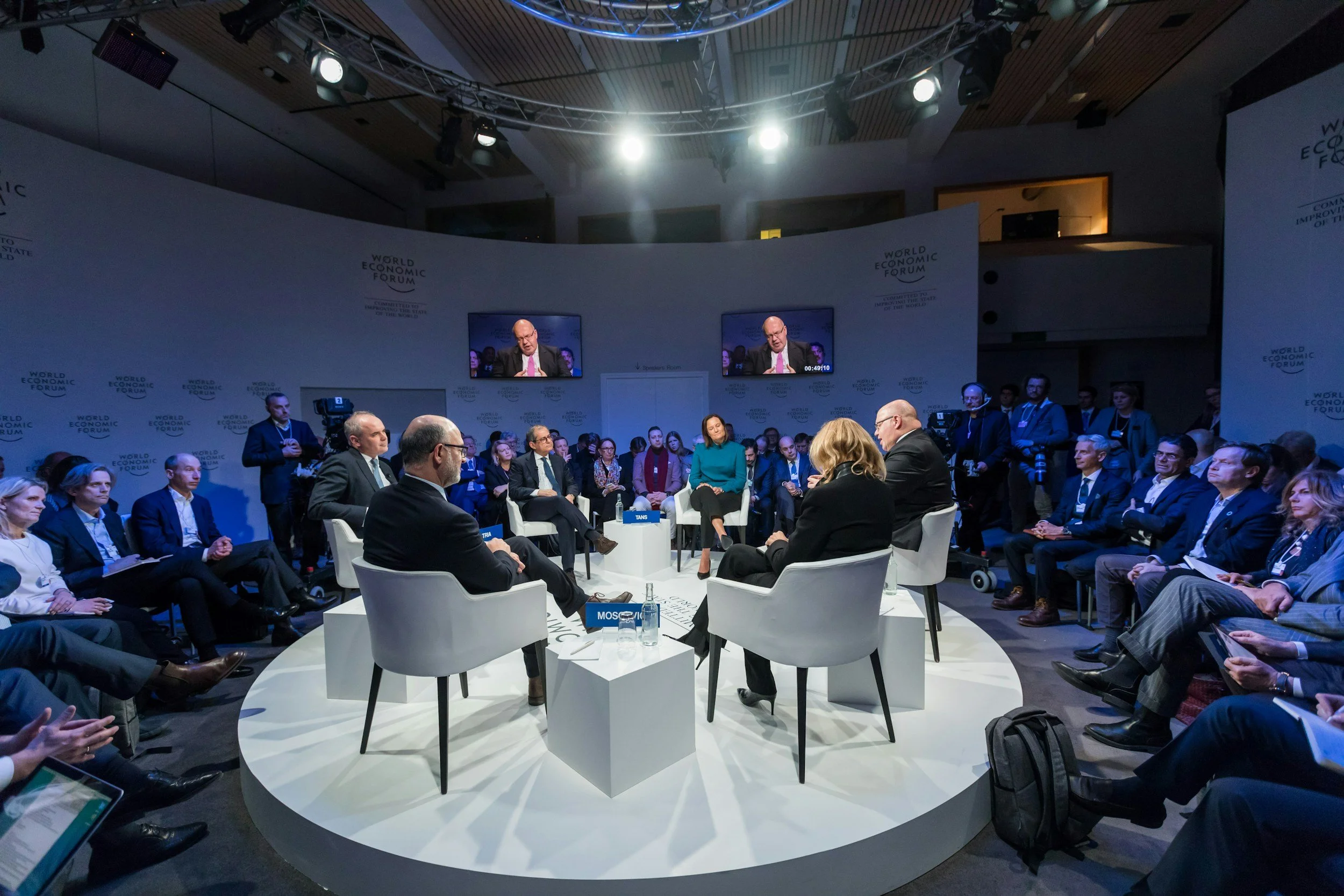
Many businesses see events as just another line item in the marketing budget, a necessary cost for a product launch or the annual holiday party. But that view misses the point. When you plan them carefully, corporate events are more than just get-togethers. They're powerful tools that can help you hit big business goals, like boosting sales or making your brand stronger.
When you start thinking of an event as a smart investment instead of just a cost, it changes everything about how you plan it. You stop focusing on small details and budgets and start thinking about what you want to achieve and the impact it will have. This way of thinking means you need to know exactly what you're aiming for and have a clear plan to get there.
Events as Strategic Investments
A company event should be much more than just a social gathering. It's a special chance to connect with important people like stakeholders, customers, employees, partners, and potential clients, all in a controlled setting where they can really focus. Unlike online marketing, which often only gets a few seconds of attention, an event holds an audience for hours. This focused time lets you build deeper connections, share information, and tell your brand's story. A good event strategy is like a map for turning this potential into real results.
When you see events as investments, every decision gets weighed against what it could bring back. For example, an exclusive dinner for your best clients isn't just money spent; it's an investment in keeping those customers and building their loyalty. A well-run internal conference helps your employees grow and improves company culture, which can mean less staff turnover and more productivity. Shifting your mindset from "cost" to "investment" changes the conversation from "How can we do this cheaper?" to "How can we get the most out of this?"
This investment-focused approach leads to more thoughtful planning. It makes you define what success looks like even before you book a venue. The goal isn't just to "host an event" anymore, but to achieve a specific business outcome. This could be getting a certain number of good leads, getting media attention, or making employees happier.
Aligning Events With Company Goals
The most important part of any strategic event is making sure it fits right in with your company's bigger goals. An event without a clear purpose is like a boat without a steering wheel; it might be a nice ride, but it won't get anywhere specific. Before you even start planning, you need to answer this basic question: "What business goal are we trying to achieve with this event?"
The answer will guide every choice you make after that, from who you invite and where you hold it, to the schedule and what messages you send. For example:
If you want to get more leads: The event might be a free workshop or a webinar that shows off what you know, with a clear call for attendees to book a demo or a meeting.
If you want to keep customers loyal: You might host a special thank-you event with unique perks, early access to new products, or a talk from a company leader.
If you want to make employees happier: An internal awards night or a team-building retreat can help build a sense of community and make people feel appreciated.
Every detail should support the event's main objective. If you're hosting an exclusive client appreciation event, everything from the venue and décor to the dining experience should reinforce your company's commitment to quality. Choosing a professional corporate catering provider helps ensure your menu, presentation, service, and hospitality all align with that message, creating a polished experience that leaves guests with a positive impression. By making every element work toward the same goal, your event becomes far more effective at strengthening client relationships and your brand.
The Impact of Flawless Execution
Even the best strategy is only as good as how well it's put into action. Even with clear goals, a poorly run event can hurt your brand's reputation and waste your investment. Flawless execution means managing all the tiny details that create a smooth and memorable experience for everyone who attends. From the moment an invitation goes out to the final follow-up after the event, every interaction matters.
Think about what the attendee experiences. Is signing up easy and clear? Are there long lines at check-in? Is the sound and video equipment working right? Is the venue comfortable and easy to get around? Small annoyances can quickly add up, pulling attendees away from the main message and purpose of your event. The best events feel effortless to guests because a dedicated team has carefully planned for every possible situation behind the scenes.
Global brands really get this. When they plan big product launches or conferences, they obsess over the details to create an immersive brand world. As shown by how global brands plan large events, success comes from coordinating logistics, technology, and people to create an experience that is connected and impactful. This includes everything from interactive displays and networking apps to helpful staff and good food and drinks. The goal is to make attendees feel valued and engaged, which then makes them more open to your message.
Measuring ROI Beyond Attendance
To show that events are smart investments, you need to measure what you get back from them (ROI). But many companies make the mistake of only looking at simple numbers that don't really mean much, like how many people showed up or how many social media likes they got. While these numbers give some context, they don't tell the whole story. Real ROI measurement connects what happened at the event directly back to the business goals you set when you planned it.
Instead of just counting heads, focus on numbers that show a real business impact. The strategic advantages of B2B event marketing are clearest when you track the right key performance indicators (KPIs).
Think about tracking these more meaningful metrics:
Lead Quality: How many leads from the event turned into sales-qualified leads (SQLs)? What percentage of event attendees became customers?
Sales Pipeline Impact: Use your CRM to see how many opportunities and how much revenue in your sales pipeline were affected by the event.
Customer Retention: For events focused on customers, ask attendees about their satisfaction and loyalty. Track their buying habits in the months after the event.
Brand Perception: Do surveys before and after the event to see how attendees' awareness, favorability, and desire to buy your brand changed.
Employee Engagement: For internal events, measure employee satisfaction, morale, and how many employees stay with the company after the event.
Tracking these results-focused metrics helps you make a strong case for future events. This data not only proves that your efforts are valuable but also gives you useful insights to make your strategy better over time.
Ultimately, when you make events a key part of your business strategy, they stop being expensive parties and become powerful drivers of growth. By matching each event with clear goals, executing it perfectly, and measuring what truly matters, you can unlock their huge potential to build relationships, increase revenue, and strengthen your brand.
