The True Cost of Downtime: Optimizing Equipment Lifecycle and Operations Management
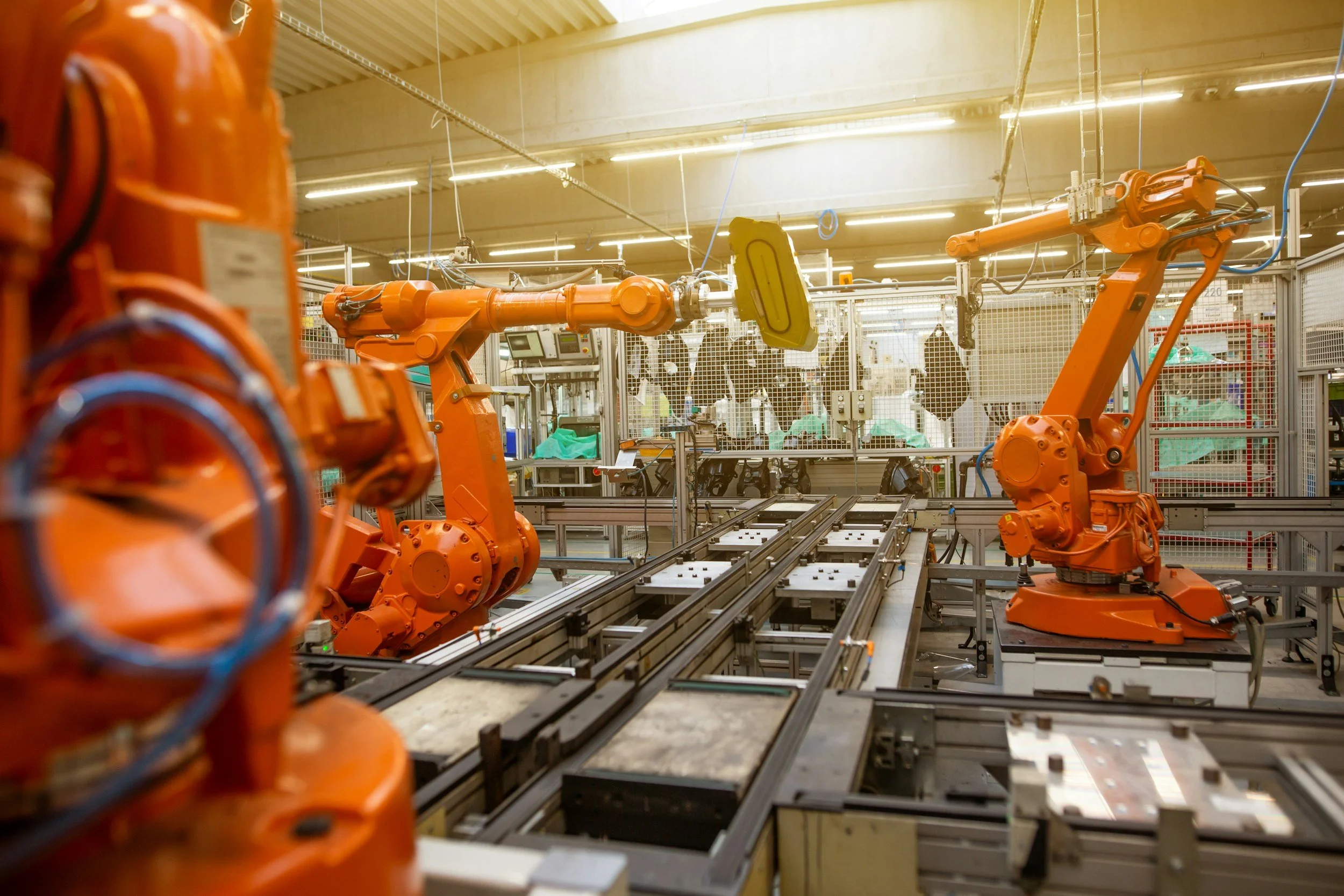
In any busy operation, whether it's a warehouse or a manufacturing floor, work only flows smoothly when every piece of equipment does its job. Just one unexpected breakdown can bring everything to a grinding halt. While a non-functioning machine is an obvious problem, its real impact runs much deeper. Understanding the full cost of downtime is the first step toward building a more resilient and profitable business.
What Exactly is Downtime?
Downtime simply means any period when a piece of equipment isn't running and available for production. But thinking of it as just lost time is a big mistake. The true cost of equipment downtime includes a wide range of direct and indirect expenses that can quickly add up.
There are two main types of downtime: planned and unplanned. Planned downtime is scheduled for routine maintenance, upgrades, or inspections. Even though it still stops production, it's controlled, and you can budget for it. Unplanned downtime, on the other hand, happens because of an unexpected failure. This is where the real financial and operational damage occurs, precisely because it's unpredictable and disruptive.
The Hidden Costs That Pile Up During Downtime
When a key piece of machinery breaks down, the costs go far beyond the repair bill. Imagine a critical component in a logistics chain, like an industrial label printer. If it fails, packages can't be labeled, shipments can't go out, and the entire fulfillment process grinds to a halt. Having a plan for a swift Zebra ZT610 industrial printer repair can be the difference between a minor hiccup and a major financial hit.
These hidden costs often include:
Lost Productivity: Not only is the broken machine not producing, but other parts of the production line that rely on it might also have to stop.
Wasted Labor: You're still paying employees who are now standing idle, waiting for the equipment to be fixed. You could reassign them, but that often means less efficient work.
Reputation Damage: If downtime makes you miss deadlines or delay customer orders, it can hurt your reputation and lead to a loss of trust.
Supply Chain Disruptions: Your downtime can become a problem for your clients, potentially causing them to look for more reliable partners.
Proactive vs. Reactive: Choosing Your Maintenance Strategy
Many businesses fall into a reactive maintenance cycle: they wait for something to break before fixing it. While this might seem cost-effective in the short term, the costs of unplanned downtime almost always outweigh any savings. A reactive approach means you're constantly putting out fires, dealing with emergencies as they happen.
A proactive strategy, however, focuses on stopping failures before they occur. This involves:
Preventive Maintenance: Doing regular, scheduled maintenance on equipment to keep it in top shape. This includes things like cleaning, lubricating, and replacing parts that are known to wear out.
Predictive Maintenance: Using data and monitoring tools to guess when a machine is likely to fail. This lets you schedule repairs at a convenient time, before a catastrophic breakdown happens.
Switching to a proactive mindset needs an upfront investment in planning and resources, but it pays off by dramatically reducing unexpected failures and their associated costs.
Tools and Tactics for Better Operations Management
Optimizing how you manage your equipment doesn't have to be overly complicated. You can start with a few key tactics to get better control over your operations. First, create a clear plan for what happens when a piece of equipment fails. Who needs to be told? What are the immediate steps? Having a plan eliminates confusion and speeds up the repair process.
Next, think about setting up a simple tracking system for your equipment. This could be a spreadsheet or a more advanced Computerized Maintenance Management System (CMMS). The goal is to track each asset's maintenance history, repair costs, and performance. This data will help you spot problem equipment and make smart decisions about whether to repair or replace it. Finally, empower your team by training them on basic equipment care and operation. Often, operators can spot early warning signs of a problem long before a maintenance technician can.
Managing your equipment effectively isn't just about avoiding costs. It's about creating a stable, predictable, and efficient operational environment that helps your business grow. By understanding the true impact of downtime and taking proactive steps to prevent it, you build a stronger foundation for success.
